

Do You Still Need an Interior Designer or Can AI Do It All?
In today’s tech-savvy world, artificial intelligence (AI) is stepping confidently into nearly every industry — interior design included. With AI-generated room layouts, instant mood boards, and furniture recommendations at the click of a button, it’s tempting to wonder if designing your home has become as simple as typing a prompt.
So… can you design your entire home with AI?
You can certainly generate a beautiful image. But a beautiful image and a beautifully functioning home are not the same thing. Even we find AI tools helpful in certain stages of the design process, but they don’t replace experience, spatial expertise, construction knowledge, or the ability to understand how a real family actually lives in a space. And for homeowners investing in a custom build or well-crafted interior furnishings, the stakes are simply too high for guesswork.
Let’s explore what AI does well, where it falls short, and why thoughtful, professional design still makes all the difference.
What AI Can Do Well
AI is particularly effective at handling specific, surface-level tasks such as:
Generating basic 3D visualizations of spaces
Recommending color palettes based on uploaded inspiration images
Offering trend-driven suggestions for furniture and décor
Creating generic floor plans based on standard room dimensions
In many ways, it functions like a fast, data-driven assistant — helpful for early exploration, rough mood board drafts, or quick visual experimentation.
For DIYers or tech enthusiasts, these tools can feel exciting and accessible. But polished visuals and automated suggestions are only one layer of a much more complex process.
What AI Can’t Do (and Why It Matters)
Let’s take a closer look at the five areas where us designers shine brightest!
1. Understanding Lifestyle and Functionality
AI works from photos and inputs. We work from conversations, observation, and intuition.
We will ask:
How do you live in your space on a daily basis?
Do you host overnight guests?
Are there kids, pets, or aging parents to consider?
Do you need storage that doesn’t sacrifice beauty?
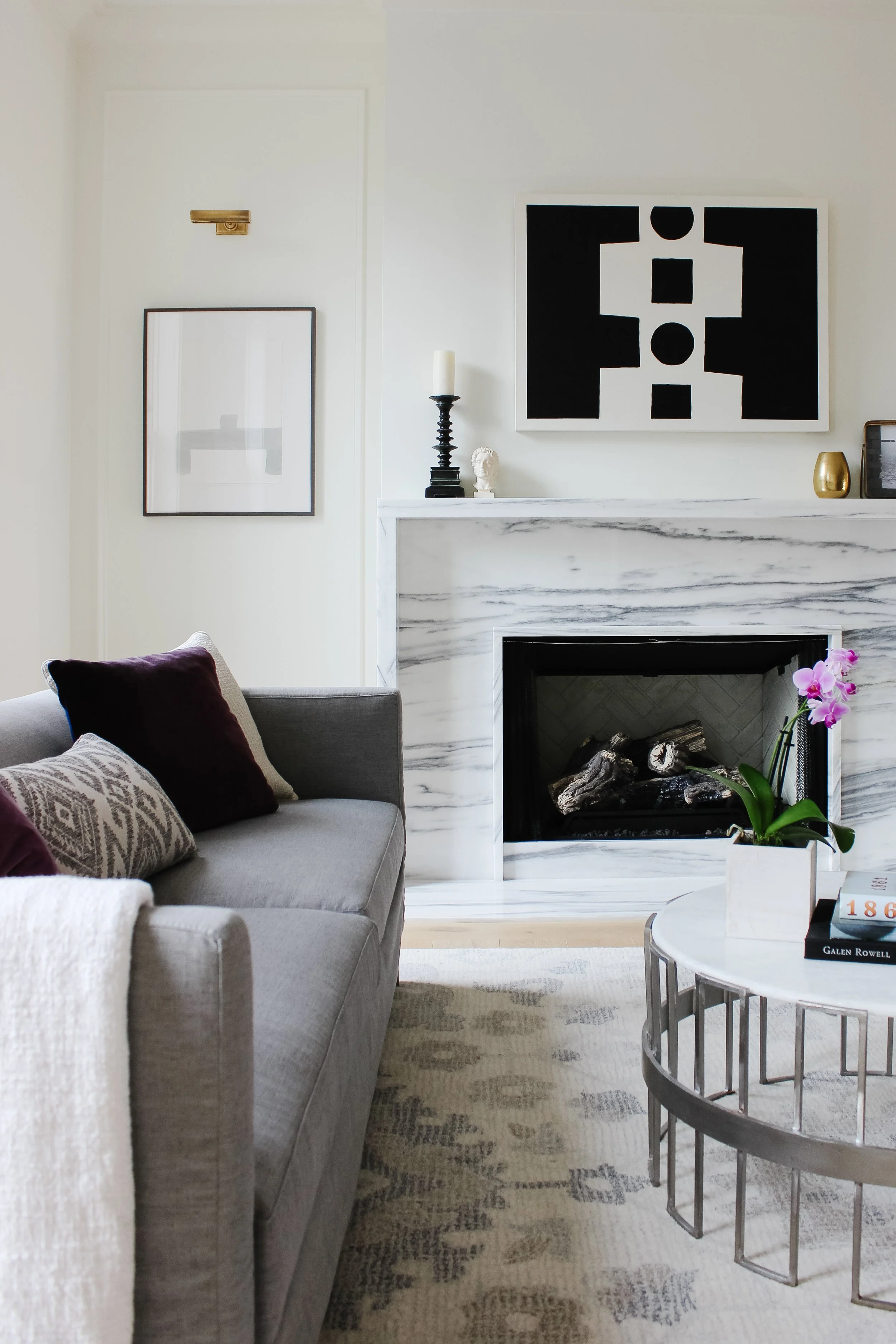
We translate your habits and values into spatial solutions. For example, AI might suggest a stylish white boucle sofa for your living room. Here at Wellhouse, we know you have two dogs and a toddler, so we will recommend a performance fabric in a similar style that’s both beautiful and durable.
It’s about designing for real life, not just aesthetics.
2. Creative Problem-Solving
Every home has quirks: low ceilings, odd corners, uneven floors, or outdated architectural details. These challenges require out-of-the-box thinking—not just plug-and-play options.
A designer:
Can reimagine a room’s flow.
Knows how to balance form with function.
Offers unexpected solutions that turn limitations into design features.
AI, by contrast, works from templates and trends. It won’t suggest flipping the layout to optimize natural light or combining millwork and mirrors to make a small space feel larger.
Design is a dynamic process of discovery—something algorithms haven’t quite mastered.
3. Creating Deeply Personalized, Layered Spaces
AI can replicate styles—Mid-Century, Scandinavian, Modern Farmhouse—but true design is about personal expression. It’s the art of telling a story through your space.
We LOVE to:
Layer color, texture, and scale for emotional impact.
Incorporate heirlooms, artwork, or travel mementos in meaningful ways.
Mix materials and finishes to create depth and richness.
This type of visual storytelling is what turns a house into a home. It’s why a beautifully designed space can feel calm, joyful, inspiring, or all three, when you walk in.
AI might suggest five trendy sconces. Its always our goal to find the one that ties together your aesthetic, lighting needs, and emotional goals.
4. Access to Trade Resources and Industry Know-How
Interior designers open doors, literally and figuratively.
We bring:
Access to exclusive trade-only furnishings and finishes.
Relationships with skilled artisans and makers.
Vendor partnerships that often mean better pricing and lead time transparency.
Experience with materials, building codes, and product performance over time.
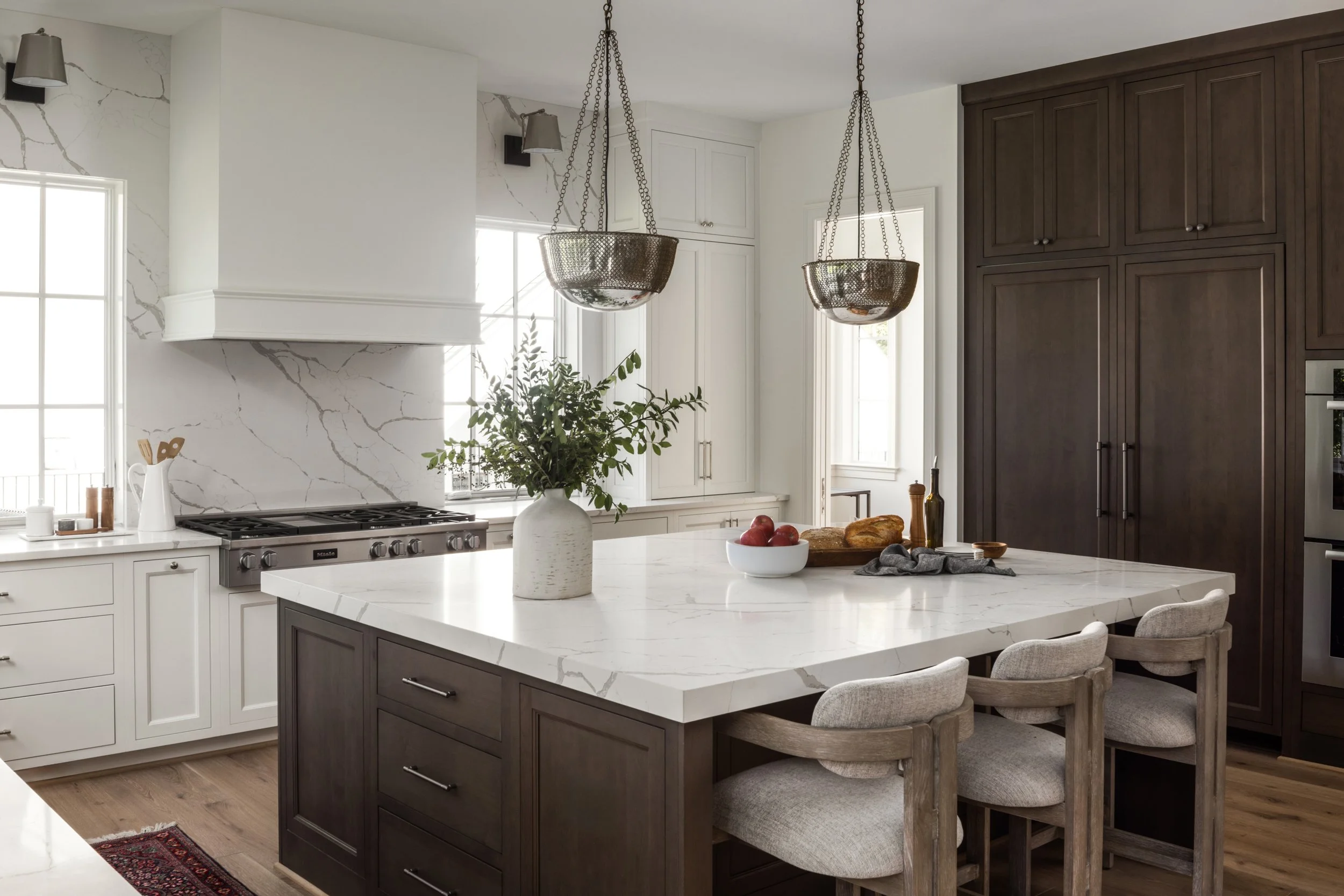
AI can’t tell you whether a marble countertop will work in a high-traffic kitchen, or which flooring holds up best in humid climates. It won’t vet a contractor or oversee installation logistics. We serve as your advocate, guide, and problem-solver from start to finish!
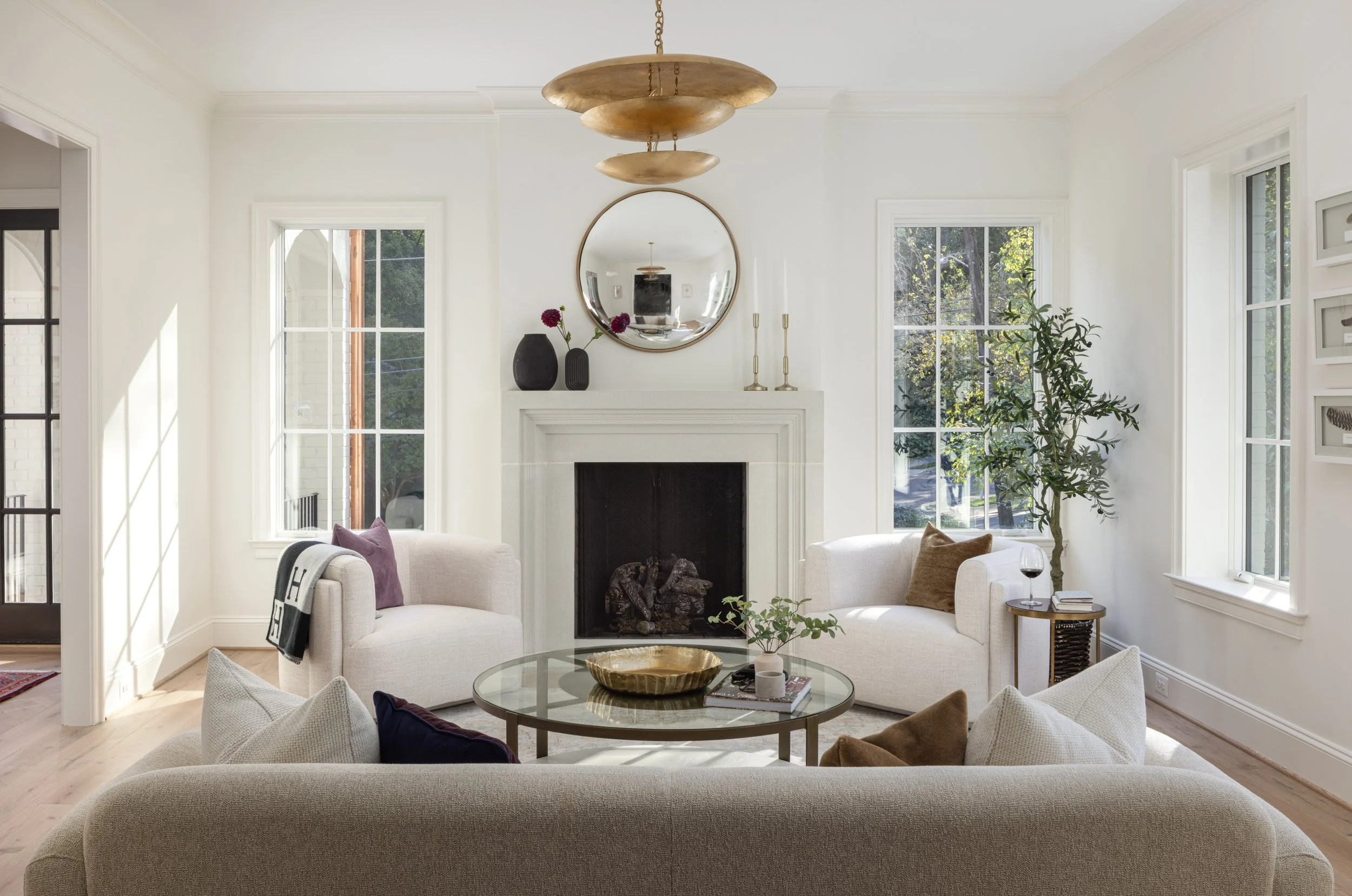
5. Project Management from Concept to Completion
Designing a home, or even one room, is about more than choosing pretty things. It’s about orchestration.
A good designer like Wellhouse manages:
Budgets and timelines.
Communication between tradespeople.
Procurement, delivery, and installation.
Crisis-solving when unexpected delays or issues pop up (because they always do).
AI won’t field a call about a missing rug or resolve a paint color disaster. It doesn’t coordinate between your electrician and your millworker. Your designer does.
And because we see the full picture, we ensure every detail works in harmony, down to the last throw pillow.
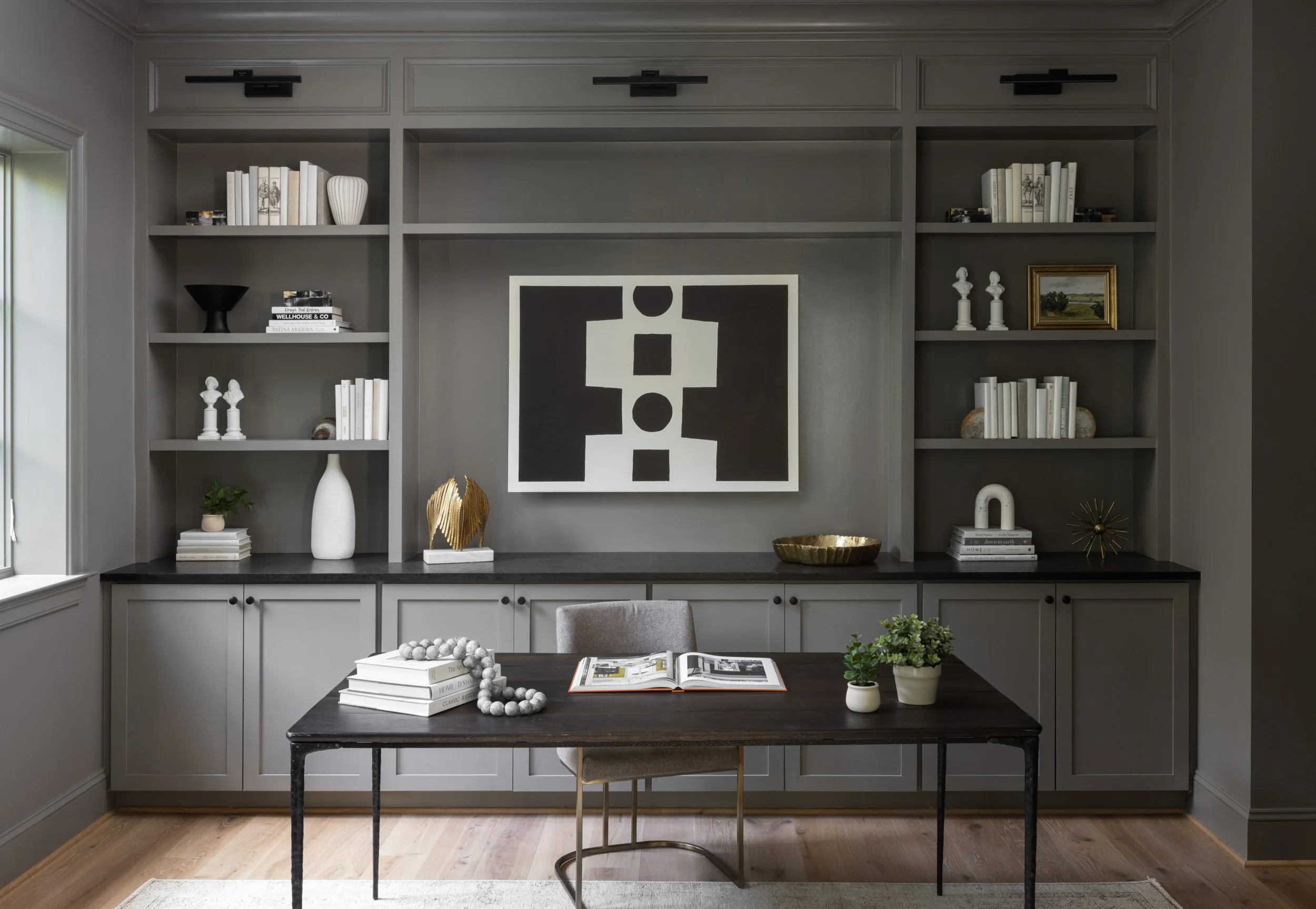
So… Do You Still Need a Designer?
If you care about style, functionality, peace of mind, and results that truly reflect you, then yes—hiring a designer is just as valuable now as it was before AI.
AI is a powerful supplement. It can be a starting point. But it’s not a substitute for experience, empathy, and the creative alchemy a design studio brings to the table.
Final Thoughts: The Future is Collaborative, Not Competitive
The best use of AI in interior design isn’t about replacing humans—it’s about empowering them.
Think of it this way:
Use AI for early ideas or inspiration.
Work with a us to refine those ideas into something real, livable, and uniquely yours and make it feel like home!