

A Summer State of Mind: Designing a Home That Welcomes
Summer has a way of changing how we use our homes. We spend more time outdoors, gather more often, and look for opportunities to slow down and enjoy the people around us. Whether summer lasts all year or only a few short months, it has a way of reminding us what home is really for: fun, restoration, gathering and memories.
At Wellhouse, we believe the most welcoming homes are not necessarily the most perfect ones. They are the homes that feel comfortable, thoughtful, and easy to enjoy.
The spaces people remember most are often not those that look flawless. They are the places where they feelinvited in. Where the music was playing, the lighting was soft, the seating was comfortable, and no one felt like they had to be too careful. A well-designed home should not just look beautiful - it should make people want to stay.
Here’s what that looks like in practice.
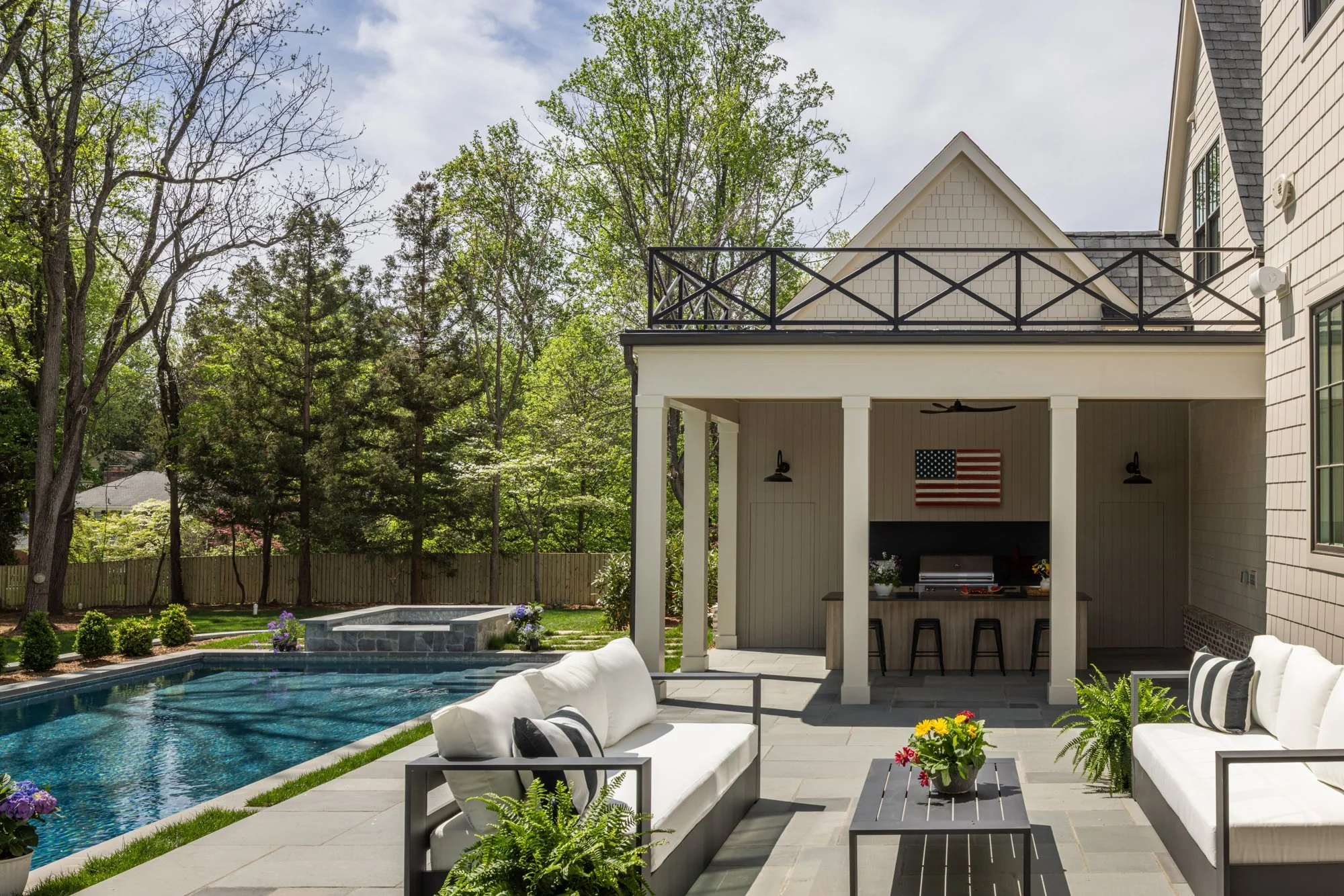
Create Spaces That Encourage Gathering
One of the most important parts of designing a welcoming home is thinking about how people naturally gather.
A beautiful room can feel uncomfortable if the layout does not encourage conversation. Seating that only faces a television, furniture that feels too far apart, or rooms without a clear place to land make a space feel less inviting. The goal is to create areas where people can sit, talk, and connect without the room feeling overly formal. A welcoming home makes gathering feel easy.
Arrange seating so people can comfortably face each other.
Create natural gathering zones in kitchens, living rooms, patios, and outdoor spaces.
Use rugs, lighting, and furniture placement to define conversation areas.
Prioritize Comfort Over Perfection
A home does not need to be perfect to feel beautiful. In fact, the homes that feel the most inviting are often the ones that feel lived in. Nothing feels too precious to touch. Guests are comfortable sitting down, setting a drink somewhere, or helping themselves without asking.
That kind of ease is what makes people want to stay longer (and this can sometimes cause problems - haha!).
Choose furniture that is beautiful, speaks to your design vision, but is still comfortable.
Use durable materials that can handle real life.
Add pillows, throws, and soft textures that make spaces feel relaxed Avoid designing rooms that feel too formal to actually use
Good design should support the way you live, not make everyday life feel restricted. We’ll let you figure out how to get rid of your guests who never want to leave!
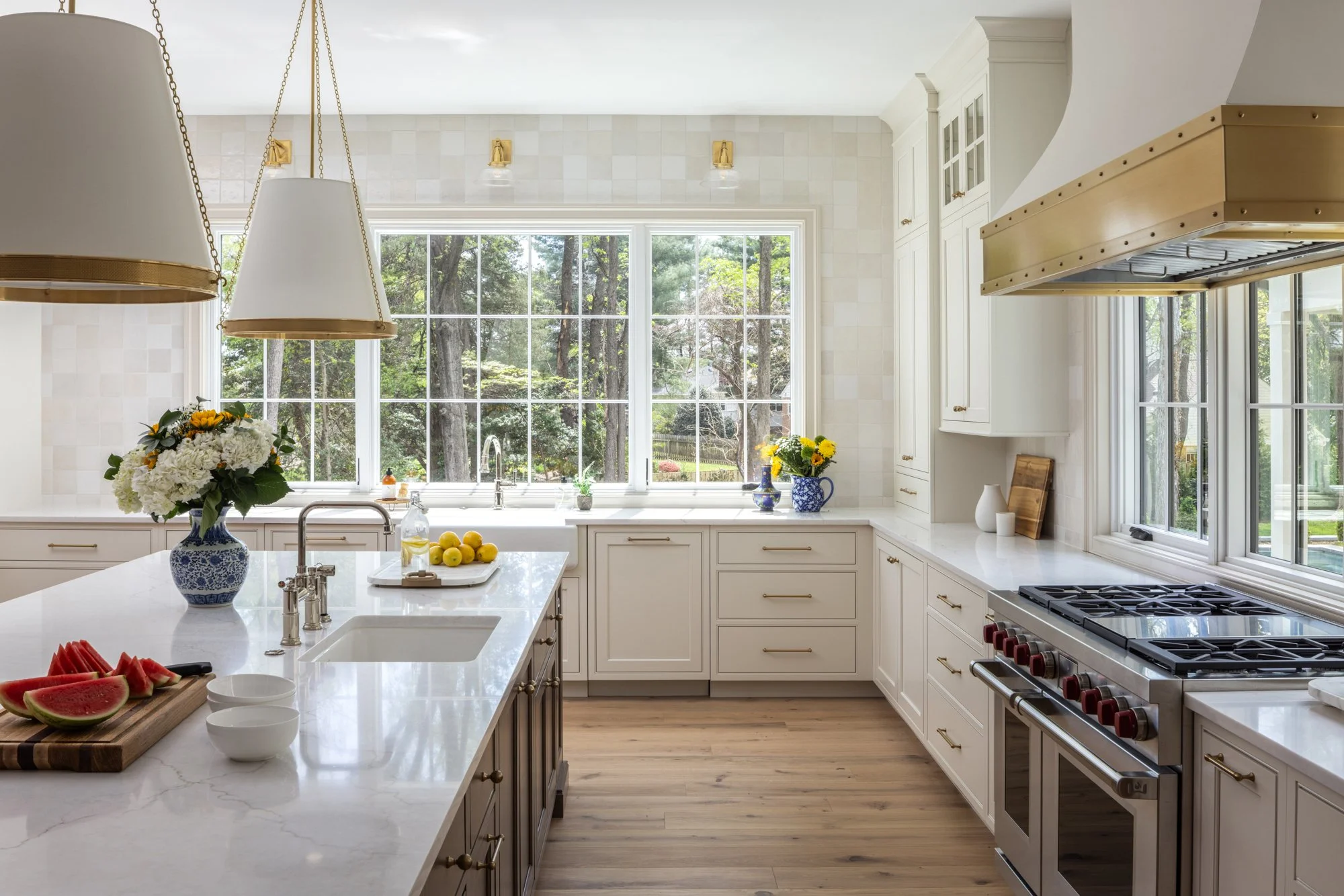
Connect Indoor and Outdoor Living
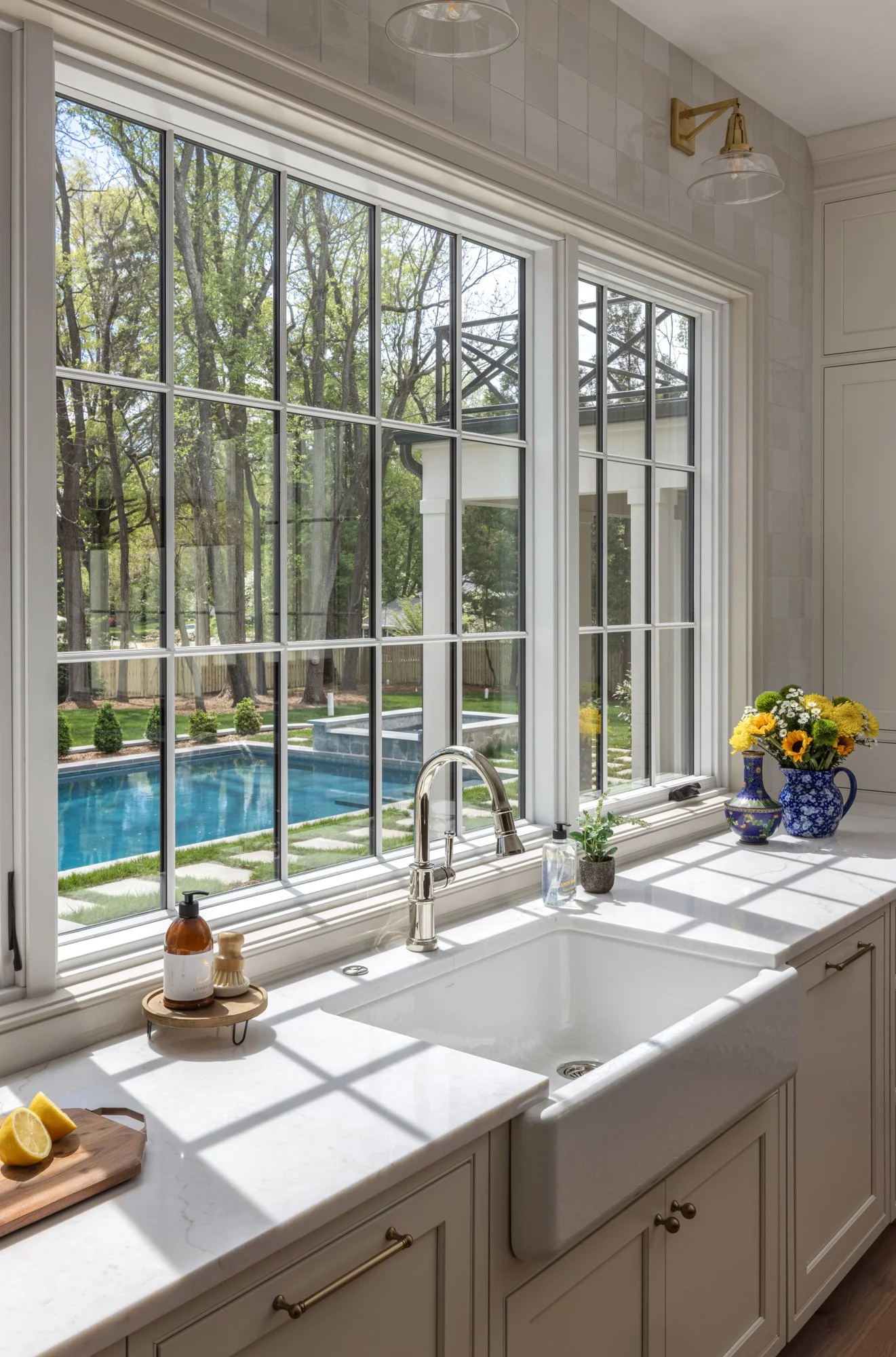
Summer naturally pulls people outside, so creating a strong connection between indoor and outdoor spaces can completely change how a home feels. Even small transitions matter. A dining area that opens to a patio, a kitchen that connects to an outdoor entertaining space, or a porch with comfortable seating can make a home feel more expansive and easier to enjoy.
The more seamless the connection, the more naturally people move through the home.
Use consistent colors and materials between indoor and outdoor spaces.
Choose outdoor furniture that feels as comfortable and intentional as interior pieces.
Create shaded areas where people can gather comfortably.
Think through how guests will move between cooking, dining, and lounging spaces.
Outdoor spaces should feel like an extension of the home, not an afterthought.
Layer Your Lighting
Lighting is one of the biggest factors in how welcoming a space feels.
During the day, natural light brings energy into a home. In the evening, softer lighting creates warmth and makes everything feel more relaxed. Instead of relying on one overhead fixture, layered lighting helps create that inviting glow that makes people want to linger. Use table lamps, sconces, pendants, and outdoor lighting together Install dimmers wherever possible.
We almost always insist on 2700K lightbulbs of the perfect temperature to create a soft, warm atmosphere.
Make It Easy for Guests to Feel at Home
The small details often make the biggest impression.
A drink waiting when someone arrives, music playing in the background, a place where guests can easily help themselves. These details may seem simple, but they quietly communicate that people are welcome.
A home feels more inviting when guests do not have to ask for everything.
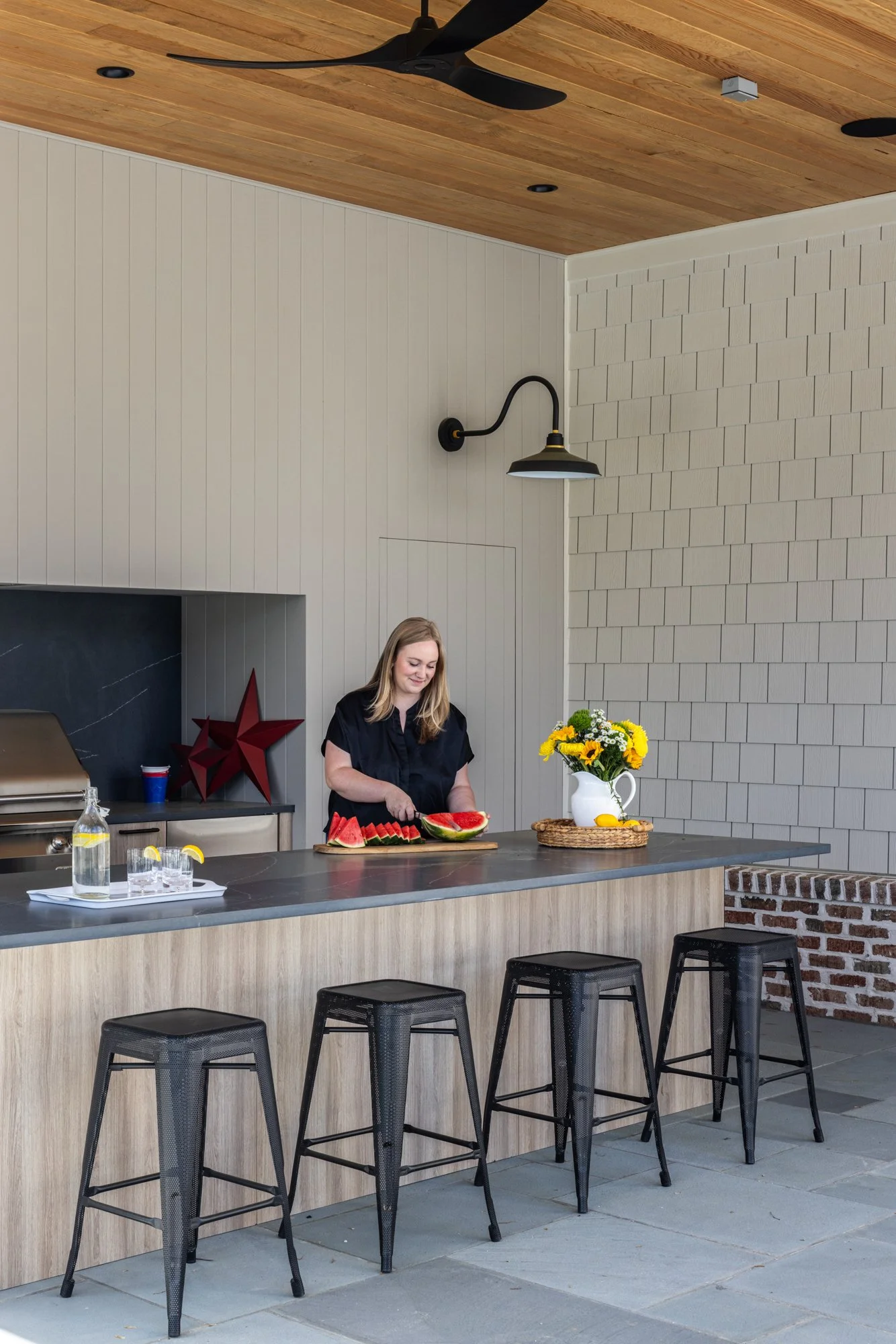
Create an easy self-serve drink or snack area. Adding an outdoor island like we did below is a luxury but serves this purpose so well.
Keep extra seating accessible.
Use trays, baskets, and serving pieces to make hosting feel effortless.
Add personal touches that feel thoughtful, not staged - items from your travels are a great place to start!
The goal is not to overcomplicate hosting. It is to create an atmosphere where everyone can relax, including the host.
Choose Materials That Can Handle Real Life
Welcoming homes are designed to be used.
This is especially important in summer spaces, vacation homes, and outdoor entertaining areas. Materials need to be beautiful, but they also need to hold up to sun, moisture, spills, and everyday wear.
For outdoor kitchens and surfaces, materials like granite or quartzite are often strong choices because they are durable and handle outdoor conditions well. For the outdoor kitchens show here, we used soapstone (and its one of our favorites) and granite.
For upholstery, performance fabrics are worth considering because they resist fading, moisture, and stains while still feeling soft and elevated. Sunbrella and Perennials are two favorites.
Keep the Palette Natural and Textured
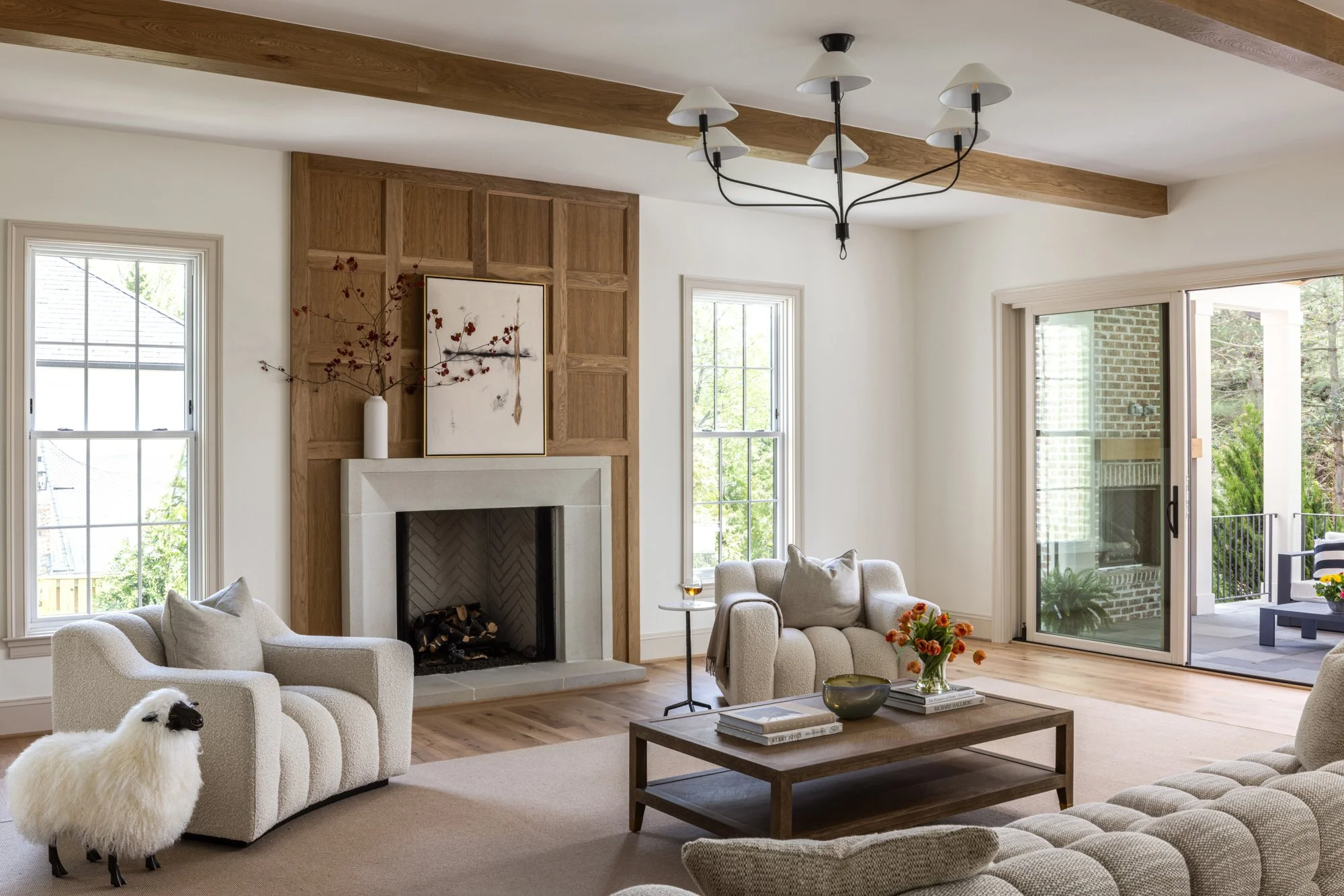
Summer spaces tend to feel best when the palette works with natural light and the surrounding outdoor space. Light neutrals, muted earthy tones like beige or gray, and natural textures help create a calm and welcoming feeling. These colors also transition beautifully between indoor and outdoor spaces. Bring in texture through wood, linen, stone, and woven materials. Add color through greenery, flowers, textiles, or styling. Let the surrounding landscape influence the palette. A cohesive palette helps the entire home feel more intentional.
A Simple Designer Checklist for a Welcoming Home
Create at least one space where people naturally gather
Arrange seating so people face each other, not just the room
Add soft lighting for evenings
Keep seating comfortable and easy to use
Make it simple for guests to help themselves
Connect indoor and outdoor spaces whenever possible
Choose durable materials that do not feel too precious
Add personal touches that feel warm and authentic
Play music in the background
Be present and enjoy your people
The Bottom Line
A welcoming home is not about perfection.
It is about intention. It is about creating spaces that feel beautiful, comfortable, and easy to share. The best homes are the ones where people feel relaxed enough to stay a little longer, gather around the table, sit outside after sunset, and enjoy simply being together.
That is what thoughtful design can do. It creates the backdrop for real life.
Whether you are preparing a summer home, updating an outdoor living space, or designing a home that needs to function beautifully year-round, the goal is the same: create a space that welcomes people in and makes everyday moments feel more meaningful.
Interested in working with Wellhouse & Co. on your custom home, summer home, or full-service renovation? We’d love to hear about your project. Contact us at welcome@wellhouseandco.com.